
Not everyone can get clear aligners. That’s the first thing to understand. Some people’s teeth would straighten better with traditional braces. Some people’s situations just don’t align with how aligners work.
But if you’re reading this wondering whether you might be one of the people they do work for, here are the actual signs worth paying attention to.
The Obvious Starting Point: Teeth Complexity
Clear aligners handle mild to moderate cases well. That’s the range they’re designed for. Mild crowding, spacing, slight rotations, minor bite corrections. If your teeth are only moderately misaligned, you’re probably in the ballpark.
What they struggle with is severe crowding. Significant bite problems requiring major jaw repositioning. Teeth rotated at extreme angles. Cases where extractions are needed. Those situations usually need traditional braces because braces give more control over complex movements.
Here’s the thing though. You can’t self-diagnose this. A dentist or orthodontist needs to actually look at your teeth and take X-rays to know what category you fall into.
Signs Aligners Might Work for You
There are patterns that practitioners see repeatedly in people who do well with clear aligners.
- Your crowding is mild to moderate. A few teeth overlapping slightly, not your entire mouth twisted up. If your front teeth have a bit of overlap but your back teeth are reasonably aligned, that’s often workable.
- You have gaps between your teeth. This one’s straightforward. Aligners close spacing issues pretty efficiently. It’s one of the things they do really well, actually.
- Your bite is mostly okay. Slight overbite or underbite, sure. But if your bite is severely off or your jaw position needs adjustment, that gets complicated. Aligners work on tooth position. They don’t handle complex jaw positioning the way braces do.
- Your gums and bone are healthy. Teeth move through bone, and that process requires healthy bone to work with. If there’s active gum disease or significant bone loss, treatment gets delayed or might not be suitable at all until those issues are addressed.
| Sign of Suitability | What This Means |
| Mild to moderate crowding | Some teeth overlap, but not severely |
| Small spacing between teeth | Gaps that aren’t extreme |
| Slight rotations | One or two teeth slightly turned, not multiple severe rotations |
| Minor bite issues | Slight overbite or underbite, not severe |
| Healthy gums and bone | No active disease or significant bone loss |
| Good oral hygiene habits | You brush and floss regularly |
| Ability to wear aligners 20+ hours daily | Commitment to consistent wear |
The Lifestyle Factor (The Part People Overlook)
This is where a lot of people run into problems. Clear aligners require commitment. Not in a dramatic way. Just in a consistent, every-single-day way.
You have to wear them 20 to 22 hours daily. That means they come out for eating, drinking anything but water, and brushing your teeth. Then they go right back in.
If you’re someone who forgets to put things back in, this might be rough. If you’re traveling constantly and losing track of your trays, that’s a problem. If you work somewhere where it’s not practical to take them out and put them back in during the day, aligners might not be your best option.
Some people thrive with this. Others find it annoying enough that they skip wearing them for a few hours here and there. And then treatment drags on, and they get frustrated.
It’s not that you can’t do it. Just be honest with yourself about whether you actually will.
When Clear Aligners Probably Aren’t the Right Fit
There are legitimate situations where aligners aren’t suitable, and a good practitioner will tell you upfront instead of taking your money and hoping it works out.
Severe crowding. Teeth severely rotated. Complex bite problems where jaw position matters. Cases requiring extraction. Active gum disease. Young kids who won’t wear them consistently. Someone with a history of not following through on maintenance care.
None of these are moral failures. They’re just situations where a different approach makes more sense.
The Assessment That Actually Matters
You can read all about suitability online, but here’s the truth. Only an orthodontist or experienced dentist can tell you whether aligners will actually work for your specific teeth.
They look at your crowding, your bite, your bone and gum health. They take X-rays. They assess what movements are needed. They consider your age, your oral health history, your compliance realistically.
If someone quotes you a treatment timeline without doing this assessment first, be skeptical. They’re guessing.
The assessment isn’t just gatekeeping. It’s the difference between treatment that works smoothly and treatment where problems pop up halfway through.
Getting a Real Consultation
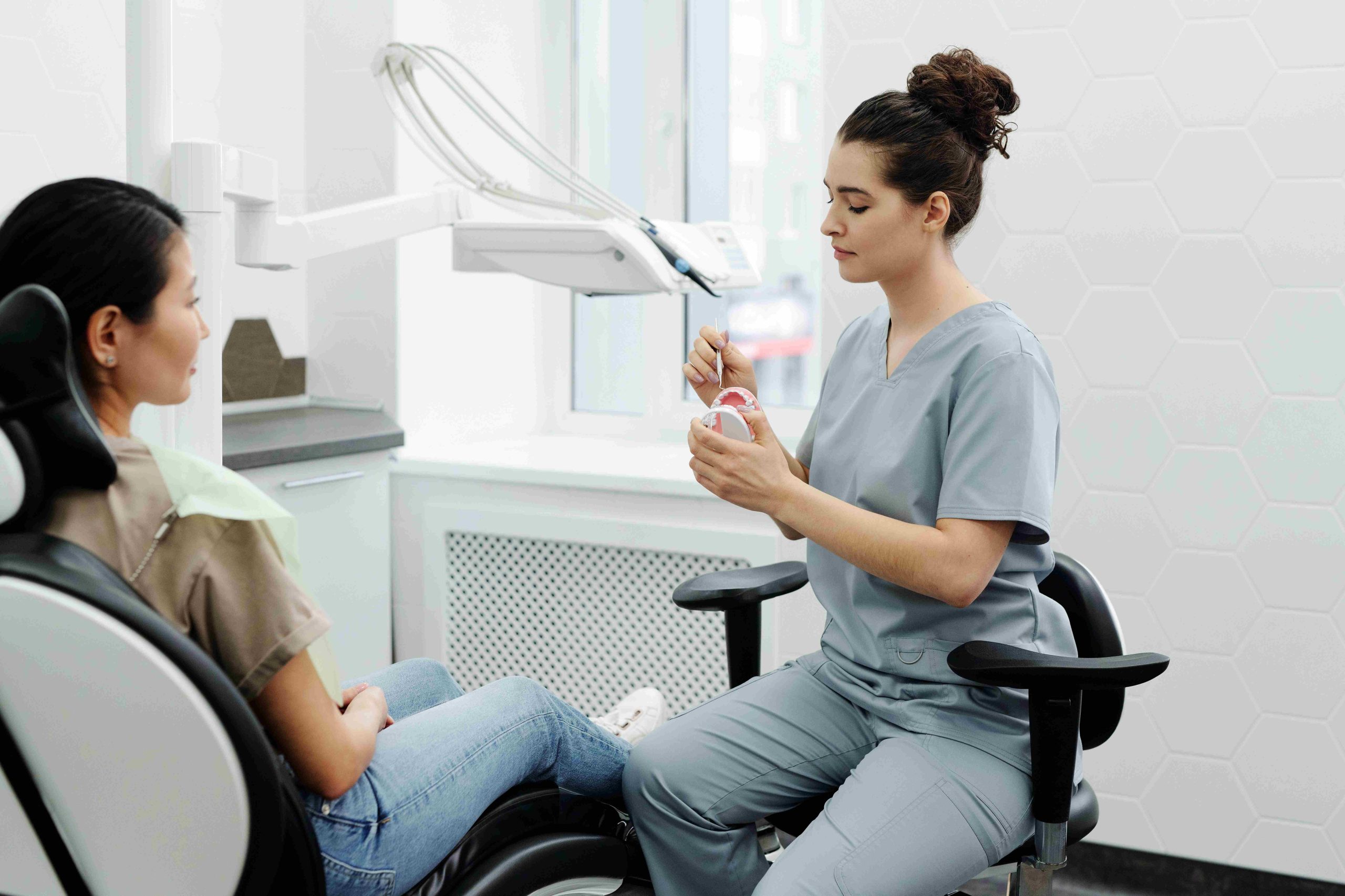
A proper orthodontic consultation takes time. It’s not a five-minute sizing. It’s a conversation about what you want to achieve, what’s actually possible with your teeth, what timeline is realistic, and what approach makes sense.
You should leave that consultation understanding your options. If aligners are suitable, great. If braces would work better, that’s useful to know too. If you need something addressed first, that’s important information.
If you want learn more about Invisalign suitability and what the assessment process actually involves, starting with a consultation is the only real way forward. Orthodontists assess individual cases, not general categories.
The Bottom Line
Clear aligners work for a lot of people. But they’re not universal. The signs of suitability are pretty clear once you know what to look for. Mild to moderate complexity, consistent wear ability, healthy gums, commitment to the process.
Whether you actually fall into that category depends on your specific teeth and situation. An assessment tells you what you need to know. Everything before that is just educated guessing.